In the ever-evolving world of premium mid-range smartphones , London-based tech brand Nothing has once again disrupted the market with the launch of the Nothing Phone (4a) Pro. Unveiled on March 5, 2026, alongside its more affordable sibling, the Phone (4a), this new device represents a significant evolution in design philosophy for the company .
Gone is the fully transparent rear panel that defined the brand’s early identity. In its place, the Nothing Phone (4a) Pro introduces a precision-crafted metal unibody, making it the slimmest phone the company has ever produced at just 7.95mm thick . While this design shift has sparked debate among purists, the handset compensates with a host of flagship-level features, including a dedicated periscope telephoto lens, an upgraded Glyph Matrix interface, and a stunning 144Hz display.
Starting at $499 / £499 / €479, the Phone (4a) Pro positions itself as a direct competitor to heavyweights like the Google Pixel 10a and the Samsung Galaxy A56 . Here is everything you need to know about Nothing’s latest creation, from its camera capabilities to its battery life and availability.
Design and Build: The Death of Transparency?
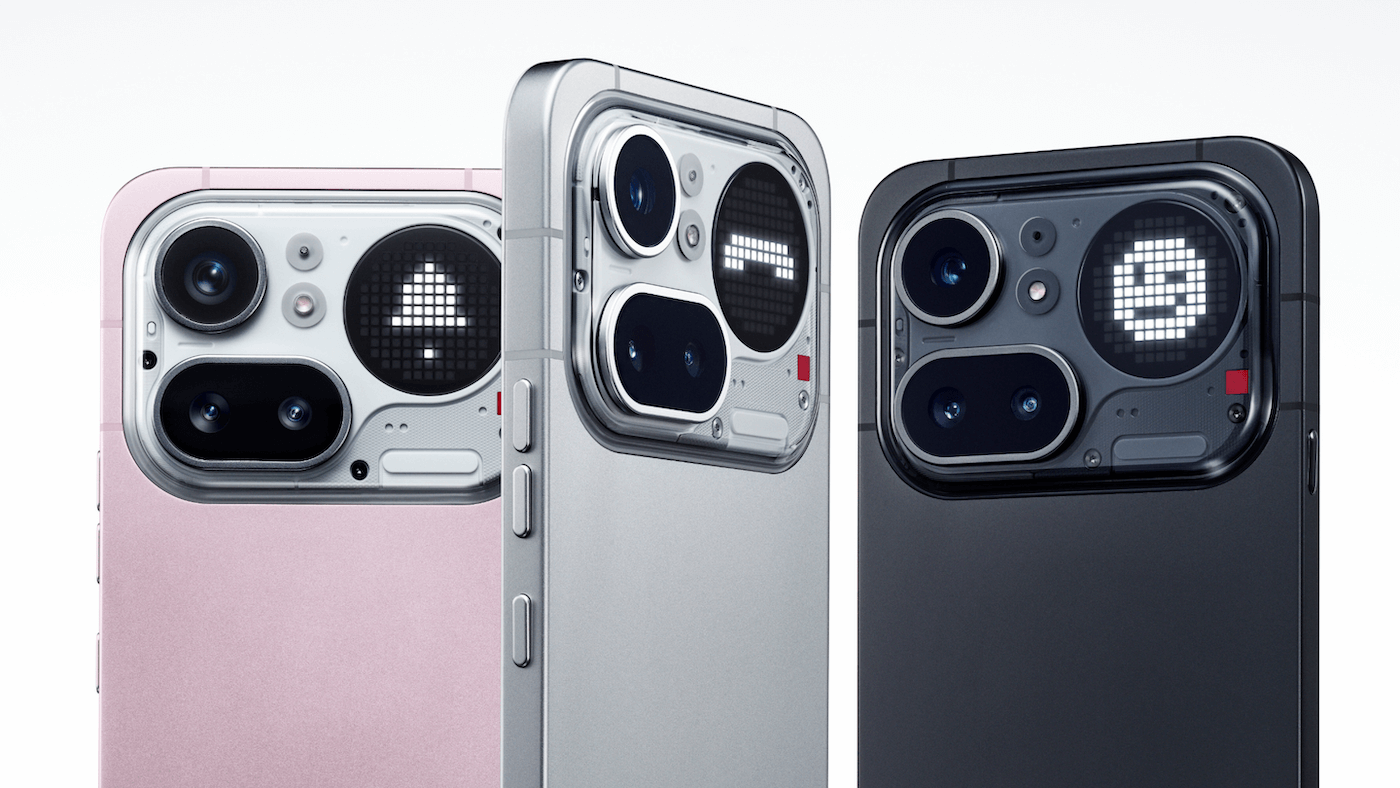
For years, Nothing’s unique selling point has been its transparent back panels, offering a peek into the “internals” of the device. With the Phone (4a) Pro, the company has taken a bold new direction. The device now features a full-metal aluminium unibody, covering the majority of the rear panel . The “transparency” is now confined to a distinct, raised camera bar at the top, which houses both the sensors and the new Glyph Matrix.
According to early hands-on reports from publications like 9to5Google, this new look feels incredibly premium in hand, thanks to the matte metal finish . It comes in three sophisticated colors: Black, Silver, and a subtle Metallic Pink . However, the shift has been met with mixed feelings. The design of the camera bar bears a striking resemblance to the iPhone 17 series, leading some critics to suggest that the Phone (4a) Pro has lost a bit of its visual identity .
Despite the aesthetic controversy, the build quality is objectively better. The IP65 rating (dust and water-resistant) ensures protection against low-pressure water jets, a step up from the standard Phone (4a)’s IP64 rating, though it stops short of the full submersion offered by IP68 competitors .
Display: Brightest in its Class?
If there is one area where the Nothing Phone (4a) Pro absolutely dominates the spec sheet, it is the display. The device boasts a massive 6.83-inch Flexible AMOLED panel with a sharp 1.5K resolution (260 x 2800 pixels) .
- Refresh Rate: 144Hz (adaptive, ranging from 30Hz to 144Hz)
- Peak Brightness: A staggering 5000 nits for HDR content
- Touch Sampling Rate: 2500Hz for gaming responsiveness
- Protection: Corning Gorilla Glass 7i
This screen is notably larger and brighter than the 6.3-inch panel found on the Pixel 10a, making media consumption and gaming a visual treat . The inclusion of 2160Hz PWM dimming also means less eye strain for users sensitive to screen flickering in low-light conditions .
Under the Hood: Snapdragon 7 Gen 4 Performance
Powering the Nothing Phone (4a) Pro is the new Qualcomm Snapdragon 7 Gen 4 mobile platform. It is crucial to distinguish this from the Snapdragon 7s Gen 4 found in the standard Phone (4a) . Built on a 4nm process, the 7 Gen 4 promises a 27% faster CPU, 30% better graphics, and a 65% boost in AI performance compared to the previous generation .
Performance Specs:
- RAM: Up to 12GB LPDDR5X
- Storage: Up to 256GB UFS 3.1
- Cooling: 5,300 mm² vapor chamber system for sustained performance during gaming
For gamers, Nothing has optimized the device to run BGMI at 120 Hz and PUBG at 90 Hz, ensuring a fluid experience .
Battery Life: Regional Differences to Note
Battery capacity on the Phone (4a) Pro varies by region, a detail buyers should pay close attention to:
Both variants support 50W wired fast charging, which can juice the device from 0% to 60% in approximately 30 minutes . However, there is a notable omission: wireless charging is not supported, a feature that the Pixel 10a includes .
Nothing also emphasizes battery longevity, claiming the pack will retain over 90% of its maximum capacity after 1,200 charging cycles (roughly 3 years and 4 months) .
The Glyph Matrix: More Than Just Lights
The Glyph interface has been completely reimagined. Moving away from segmented strips, the Phone (4a) Pro introduces the Glyph Matrix—a grid of 137 mini-LEDs located within the camera bar .
This new matrix is 57% larger and twice as bright (3000 nits) as previous implementations . It functions as a mini-display on the back of the phone, capable of showing:
- Glyph Toys: Interactive widgets like a Battery indicator, Timer, Digital Clock, and Solar Path .
- Notifications: Custom light patterns for specific contacts and apps.
- Live Updates: Integration with services like Uber to show the status of your ride without flipping the phone over .
Interestingly, the physical “button” used to interact with these toys on the Phone (3) has been removed. Users now must place the phone face down to activate the Glyph interface, which some reviewers have noted feels slightly less intuitive .
Camera System: The Zoom King of Mid-Range
Nothing is making big claims about the photography credentials of the Phone (4a) Pro. The triple-camera setup is designed to offer versatility, with a heavy emphasis on zoom capabilities.
The headline feature here is the 50MP periscope telephoto lens, which offers the longest zoom ever seen on a Nothing phone . The 3.5x optical zoom is standard, but the hybrid zoom reaching up to 140x allows for extreme long-distance shots, though image quality at the upper limits will likely rely heavily on the new TrueLens Engine 4 .
Video recording capabilities include 4K at 30fps for the rear cameras and support for Ultra XDR video, though the frame rate lags behind competitors who offer 4K at 60fps .
Software: Nothing OS 4.1 and Android 16
The device ships with Nothing OS 4.1, based on Android 16 . The software experience remains close to stock Android but is distinguished by a unique monochromatic and dot-matrix design language for icons and widgets.
New AI-driven features make their debut here:
- Essential Space: A dedicated area for quickly capturing screenshots, notes, and voice memos, accessible via the re-positioned Essential Key (now located on the right side of the phone, separate from the power button) .
- Essential Search & Essential Memory: AI tools designed to help users find content across the device and remember important information .
Software Support:
Nothing promises 3 years of Android OS updates and 6 years of security patches . While this is solid for the mid-range segment, it falls short of Google’s 7-year commitment for the Pixel 10a .
Nothing Phone (4a) vs. (4a) Pro: Key Differences
To help potential buyers decide, here is a quick breakdown of the differences between the two models launched simultaneously:
- Design: The Pro uses a metal unibody (7.95mm thick); the standard uses a polycarbonate build with a transparent back .
- Glyph: Pro has the Glyph Matrix (137 LEDs); Standard has the Glyph Bar (63 LEDs) .
- Display: Pro has a 6.83″ 144Hz 1.5K panel; Standard has a 6.78″ 120Hz panel .
- Processor: Pro uses Snapdragon 7 Gen 4; Standard uses Snapdragon 7s Gen 4 .
- Zoom: Pro offers up to 140x zoom; Standard offers up to 70x zoom .
Price and Availability
The Nothing Phone (4a) Pro is available for pre-order starting March 13, 2026, with general sales beginning March 27, 2026 . It is important to note that the device is not officially sold in the US .
Pricing Breakdown:
- 8GB + 128GB: $499 / £499 / €479 / ₹39,999
- 8GB + 256GB: ₹42,999 (India specific)
- 12GB + 256GB: $599 / £549 / €549 / ₹45,999
In India, launch offers include up to ₹4,000 in bank discounts and additional exchange bonuses .
Conclusion: A Bold New Direction
The Nothing Phone (4a) Pro is a testament to the company’s willingness to evolve, even if it means alienating some of its early adopters. The switch to a metal unibody sacrifices the full transparent look in favor of a more refined, premium mid-range smartphone feel.
With class-leading features like a 144Hz AMOLED display, a versatile periscope zoom camera, and the fun, functional Glyph Matrix, it offers tremendous value. The main compromises are the lack of wireless charging, a lower water resistance rating than some competitors, and a shorter software support window than Google offers.
For users who want a device that stands out from the crowd, offers blazing-fast charging, and packs a telephoto lens that punches above its weight class, the Nothing Phone (4a) Pro is arguably the most exciting mid-range launch of 2026 so far.