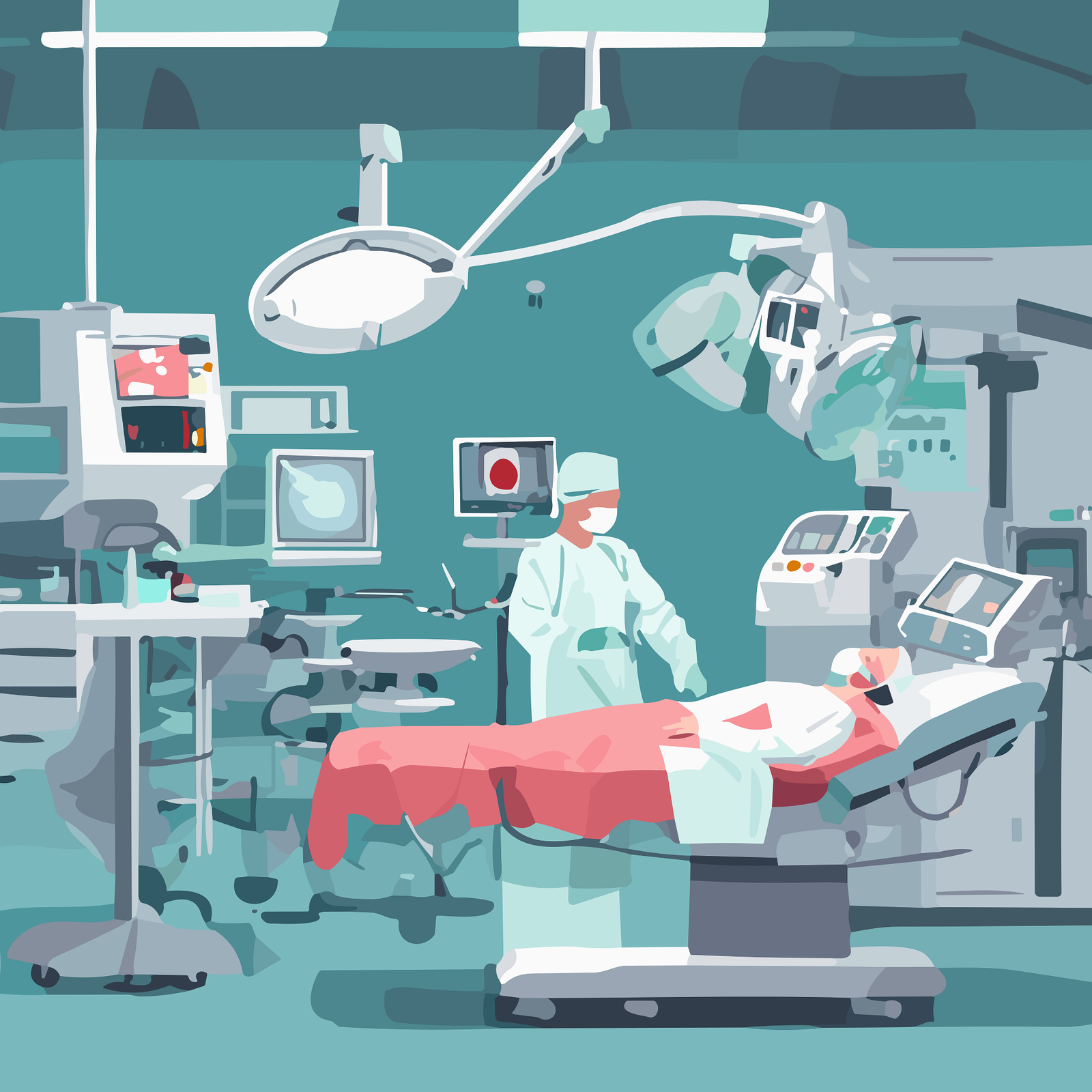
Medical robotics is changing how doctors perform surgery, how patients recover from injuries, and how healthcare professionals deliver treatment. What once seemed like science fiction is becoming a practical part of modern medicine, with robotic systems assisting surgeons, supporting rehabilitation, and helping researchers develop new treatment methods.
These machines combine robotics, artificial intelligence (AI), advanced imaging, sensors, and specialized software to perform tasks that require precision and control. Although medical robots cannot replace every role performed by healthcare professionals, they are creating new possibilities for treating patients and improving clinical workflows.
As healthcare technology continues to develop, medical robotics is becoming an important example of how innovation can transform an entire industry.
What Is Medical Robotics?
Medical robotics is the use of robotic systems to assist with medical procedures, diagnosis, rehabilitation, and patient care. These systems are designed to perform specific tasks under the supervision of healthcare professionals or, in some applications, to carry out limited automated functions.
Medical robots come in several forms. Some use robotic arms to help surgeons operate through small incisions, while others support patients who are learning to walk after a neurological injury. Certain systems can also assist with moving medical equipment, delivering supplies, or performing repetitive laboratory tasks.
Unlike robots used in manufacturing, medical robots must operate in environments where human safety is especially important. Their design requires careful engineering, extensive testing, appropriate clinical training, and regulatory oversight.
The technology also connects with broader developments in artificial intelligence and software development, where computing systems are increasingly being used to solve complex real-world problems.
How Does Medical Robotics Work?
Medical robots combine mechanical components with computer systems that allow healthcare professionals to control their movements and monitor their performance.
A typical robotic medical system may include several components:
- Robotic arms and instruments: Carry out controlled movements during a procedure or treatment session.
- Sensors: Collect information about position, movement, pressure, or other relevant conditions.
- Cameras and imaging systems: Help clinicians observe the treatment area.
- Control software: Translates commands into precise movements and coordinates different system components.
- Human-machine interfaces: Allow medical professionals to operate the equipment and monitor what it is doing.
Some systems also incorporate AI to assist with image analysis, planning, or interpreting data. However, AI is not necessary for every medical robot, and many established systems rely primarily on direct human control.
For example, in robot-assisted surgery, a surgeon may sit at a console and control instruments attached to robotic arms. The system translates the surgeon’s movements into instrument movements inside the patient’s body. The robot does not independently decide how to perform the operation.
According to the U.S. Food and Drug Administration (FDA), robotically assisted surgical systems are used for certain procedures and must be operated by appropriately trained professionals.
1. Robotic Surgery: Improving Precision in the Operating Room
Robotic surgery is one of the best-known applications of medical robotics. It allows trained surgeons to control specialized instruments through a computer-assisted system.
Many surgical robots are designed to support minimally invasive procedures, in which instruments are inserted through small incisions rather than requiring a large opening.
Depending on the system and procedure, robotic assistance may provide:
- Magnified, three-dimensional views of the surgical area.
- Greater instrument maneuverability in confined spaces.
- Controlled movements using specialized surgical instruments.
- Support for procedures that require delicate movements.
- Ergonomic benefits for surgeons during lengthy operations.
Robotic assistance is used in selected general, urological, gynecological, thoracic, and other surgical procedures.
However, the benefits depend on the operation, the patient’s condition, the surgeon’s experience, and the specific technology being used. Robotic surgery is not automatically safer or more effective than conventional surgery in every situation.
The FDA also emphasizes that robotically assisted surgical devices are not authorized specifically to prevent or treat cancer simply because they can be used for certain operations involving patients with cancer.
A New Generation of Surgical Robots
Medical robotics continues to evolve beyond traditional robotic-arm designs. New systems are being developed to improve operating-room integration, instrument flexibility, and access to difficult anatomical areas.
In July 2026, Johnson & Johnson announced that its OTTAVA robotic surgical system had received FDA De Novo authorization for specified general surgical procedures. The system integrates its robotic design with the operating table, representing a different approach to arranging surgical equipment in the operating room.
This development illustrates how manufacturers are exploring new ways to combine surgical instruments, imaging, and operating-room infrastructure. It does not mean that every robotic surgical system offers the same capabilities or that robotic procedures are suitable for every patient.
2. Rehabilitation Robots: Helping Patients Recover Movement
Medical robotics is also helping patients recover physical abilities after strokes, spinal cord injuries, and other conditions that affect movement.
Rehabilitation robots can guide repeated movements, provide controlled assistance, and measure aspects of a patient’s performance during therapy.
Common examples include:
- Robotic exoskeletons: Wearable devices that provide powered assistance to the legs or other body parts.
- Robotic gait-training systems: Equipment designed to support walking practice.
- Upper-limb rehabilitation robots: Devices that help patients practice arm, wrist, or hand movements.
- Robotic therapy systems: Machines that provide structured exercises and record performance.
- Assistive robotic devices: Technologies that help people perform specific movements or daily activities.
The National Institutes of Health has described research into wearable robotics, exoskeletons, and rehabilitation systems designed to improve mobility and support people with neurological and musculoskeletal conditions.
These technologies may help therapists deliver repeated, measurable exercises and adjust treatment according to a patient’s needs. However, results vary, and robotic rehabilitation does not guarantee that a patient will regain a particular ability.
The field also connects with research into brain-computer interfaces, which explore how signals from the nervous system can be used to control devices or support rehabilitation. Together, these technologies could create additional options for people with severe movement impairments.
3. AI and Medical Robotics: A Powerful Combination
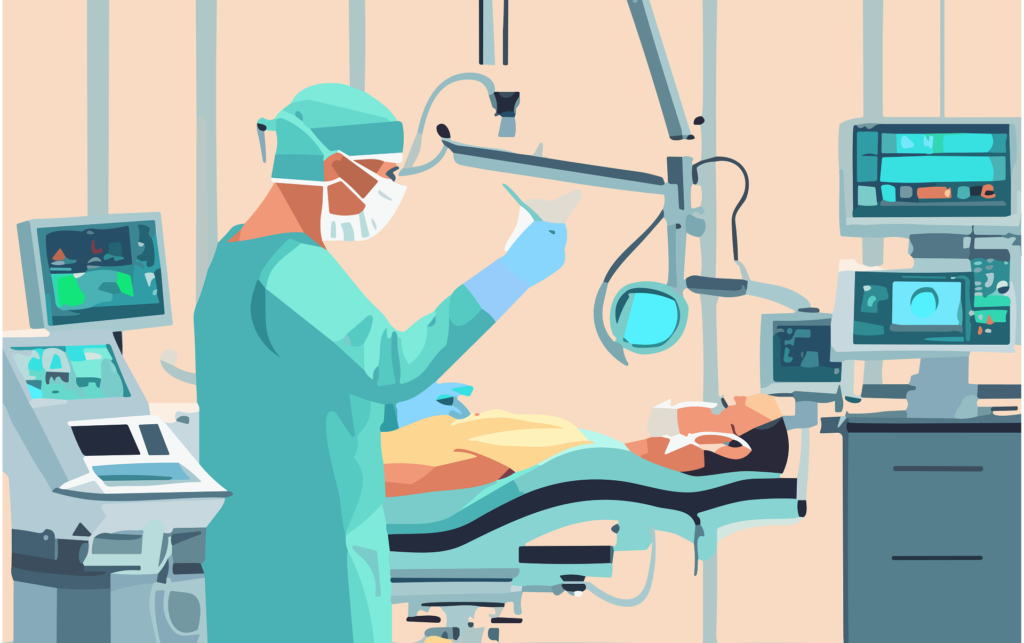
Artificial intelligence can expand what medical robots are capable of doing, particularly when systems need to interpret images, recognize patterns, or respond to changing information.
AI-assisted medical systems may help analyze medical images, identify anatomical structures, support procedural planning, or process data collected during treatment.
When integrated into a robotic system, these capabilities may help clinicians make more informed decisions or perform certain tasks with additional computer assistance.
Potential applications include:
Image analysis: AI can help identify relevant structures in medical images, supporting planning and navigation.
Movement assistance: Algorithms can help coordinate a device’s response to movement or sensor inputs.
Surgical planning: Software may help organize imaging data and prepare a procedure.
Rehabilitation monitoring: Computer systems can analyze movement patterns and track progress during therapy.
Clinical decision support: AI may help clinicians review relevant information, although its recommendations require appropriate validation and professional judgment.
The important distinction is that AI-assisted analysis is not the same as autonomous medical treatment. A system that identifies a structure or recommends a movement does not necessarily have permission or technical capability to carry out the next step independently.
For a broader look at this relationship, see How AI Is Changing Software Development, which explores the growing role of AI in computer-based work.
4. Microrobots and Soft Robotics: Smaller Machines, New Possibilities
Not all medical robots are large machines with mechanical arms. Researchers are also exploring tiny robotic devices and flexible robots that could work in environments where conventional equipment is difficult to use.
Microrobotics focuses on extremely small machines, while soft robotics uses flexible materials and structures instead of relying entirely on rigid mechanical components.
These approaches may offer new possibilities for specialized medical applications.
Microrobots
Researchers are investigating small robotic devices that could potentially help deliver treatments, interact with biological tissues, or carry out tasks in confined environments.
Some experimental approaches explore movement through fluids or the use of magnetic fields to guide tiny devices. However, navigating the human body safely presents significant challenges, including biological barriers, precise positioning, material safety, and removal or degradation after treatment.
Many proposed applications remain experimental rather than routine clinical treatments.
Soft Robotics
Soft robots use flexible materials that can bend, stretch, or change shape. This can be useful when a device needs to interact gently with delicate tissues or adapt to irregular surfaces.
Potential research applications include flexible surgical instruments, wearable rehabilitation equipment, and specialized devices for assisting movement.
The long-term goal is to develop systems that can perform useful medical tasks while adapting more naturally to the environments in which they operate.
5. Robotic Prosthetics and Assistive Technology
Robotics is also changing the design of prosthetic limbs and assistive devices.
Traditional prosthetics can restore important functions, but some advanced systems incorporate powered joints, sensors, and computer-controlled movements to provide additional assistance.
Robotic prosthetic devices may use sensors to detect movement or interpret signals associated with the user’s intended action. The system then controls motors that help move the artificial limb.
Depending on the design, these technologies can support actions such as walking, grasping objects, or controlling a powered joint.
Researchers are also investigating connections between robotic devices and the nervous system. These approaches may eventually allow more natural control for some users, although their availability and effectiveness depend on the technology and the individual’s needs.
In addition to prosthetics, wearable robotic systems can help some patients practice movements that would otherwise be difficult. These devices are particularly relevant to rehabilitation research involving neurological injuries and mobility disorders.
6. Teleoperated Medical Robots: Treatment Across Distance
Teleoperation allows a person to control a machine remotely. In healthcare, this approach can let a clinician operate or guide certain robotic devices from a separate location.
Remote control of medical robots has potential applications in specialized procedures, rehabilitation, and selected clinical environments. It can also support research into how medical expertise might be delivered when a patient and clinician cannot easily be in the same room.
However, teleoperated treatment depends on more than the robot itself. Reliable communication, low and predictable latency, cybersecurity, equipment availability, and appropriate clinical oversight are essential.
A network interruption or delayed response could be dangerous during a sensitive procedure. For that reason, remote medical robotics requires careful planning, safeguards, and validation for its intended use.
These requirements make teleoperation different from simply connecting an ordinary device to the internet.
7. The Benefits of Medical Robotics
Medical robotics can offer several potential advantages when a system is appropriate for the procedure and used correctly.
| Potential benefit | How it may help |
|---|---|
| Precision and control | Supports controlled instrument movements in specific procedures. |
| Minimally invasive techniques | May enable certain operations through smaller incisions. |
| Repeatable rehabilitation | Helps deliver structured movements and exercises. |
| Measurable performance | Sensors and software can record movement and treatment data. |
| Ergonomics | Some systems can improve the clinician’s working position. |
| Remote operation | Allows certain devices to be controlled from a separate location. |
| Consistent workflows | Can help standardize selected repetitive tasks. |
These are potential benefits rather than guaranteed outcomes. The results depend on the specific device, its intended use, the clinical team, and the patient’s circumstances.
Medical robotics should therefore be evaluated by its actual clinical value—not simply by how advanced or impressive the technology appears.
8. The Challenges and Risks of Medical Robotics
Despite its promise, medical robotics faces several important obstacles.
High Equipment and Maintenance Costs
Robotic systems can require substantial investment in equipment, installation, maintenance, training, and specialized instruments.
Hospitals must consider whether the expected benefits justify these costs and whether the equipment will be used often enough to make the investment practical.
Training and Learning Curves
Clinicians need appropriate training to use robotic systems safely. Learning to operate a new device can take time, and performance may differ depending on the user’s experience.
Hospitals must also maintain training programs as equipment and software change.
Technical Failures
Robotic systems rely on mechanical components, sensors, software, imaging, and power. A malfunction in any of these areas can disrupt a procedure or treatment session.
Healthcare providers need clear emergency procedures, maintenance schedules, and methods for reporting and investigating device problems.
Cybersecurity and Data Privacy
Connected medical devices may process sensitive patient information or communicate with hospital networks. Security weaknesses could expose information or interfere with system operation.
Healthcare organizations need to assess software updates, access permissions, network security, and device manufacturers’ security practices.
This is where ideas from business technology and digital systems become especially relevant: advanced healthcare equipment depends on reliable software, secure infrastructure, and well-managed technical processes.
Unequal Access
Hospitals with limited budgets may find advanced robotic systems difficult to afford. Differences in funding, specialist availability, and infrastructure can limit access to these technologies.
For medical robotics to provide wider benefits, developers and healthcare organizations must consider affordability, training, maintenance, and suitability for different clinical settings.
9. Can Medical Robots Perform Surgery Without Humans?
Fully autonomous medical robotics is an active area of research, but it is important to distinguish experimental capabilities from established clinical practice.
Most widely used robotically assisted surgical systems require a trained surgeon to control the instruments directly. Some medical devices can automate limited functions, but this does not mean that they can independently manage an entire operation.
More autonomous systems raise difficult questions about patient safety, unexpected events, responsibility, and regulatory approval.
The FDA has been examining the benefits and risks of robotic medical devices with autonomous or remote-operation capabilities, reflecting the importance of evaluating these technologies according to their intended uses.
In the future, some medical robots may be able to perform a greater range of narrowly defined tasks with limited human input. Nevertheless, complex medical care involves changing conditions, patient-specific decisions, and risks that cannot be addressed simply by making a robot more capable.
Human supervision, appropriate testing, and clear accountability will remain important considerations as the technology develops.
10. The Future of Medical Robotics
The future of medical robotics will likely involve closer integration between robotics, AI, medical imaging, sensors, and rehabilitation science.
Several developments could shape the field.
More specialized surgical systems: New robotic designs may focus on particular procedures, anatomical areas, or operating-room workflows.
Smarter rehabilitation devices: Sensors and adaptive software may help therapists adjust exercises according to measured patient performance.
Improved prosthetics: Better control systems and interfaces may provide more natural movement for some users.
Smaller and more flexible robots: Research into microrobotics and soft robotics could support new approaches to selected medical tasks.
Better integration with clinical data: Medical robots may increasingly connect with imaging systems and hospital software, provided that privacy, reliability, and interoperability requirements are met.
More careful evaluation of autonomy: As robotic systems gain additional automated capabilities, regulators and healthcare providers will need to determine which functions can be performed safely and under what conditions.
Progress will not depend on engineering alone. Clinical evidence, cost-effectiveness, training, accessibility, and patient trust will also determine which technologies become widely used.
Conclusion
Medical robotics is one of the most important intersections of engineering, computing, and healthcare. From surgeon-controlled instruments and rehabilitation exoskeletons to experimental microrobots and advanced prosthetics, these technologies are expanding the ways medical professionals can treat patients and support recovery.
However, the most successful medical robots will not necessarily be the most autonomous or complicated. They will be the systems that solve genuine clinical problems, demonstrate reliable results, and provide meaningful benefits to patients.
As research continues, medical robotics could become an increasingly important part of healthcare. Its long-term impact will depend on how effectively innovation is combined with safety, clinical evidence, affordability, and responsible use.
Frequently Asked Questions
What is medical robotics?
Medical robotics is the use of robotic systems to assist with surgery, rehabilitation, diagnosis, and other healthcare tasks. These systems combine mechanical devices, sensors, and control software to perform specific functions.
What are the main types of medical robots?
Major categories include surgical robots, rehabilitation robots, robotic prosthetics, assistive robots, laboratory automation systems, and experimental microrobots.
Are robotic surgeries safer than traditional surgeries?
Not necessarily in every case. Safety and outcomes depend on the procedure, the patient, the surgeon’s experience, and the specific system. Patients should discuss the benefits, risks, and alternatives with their healthcare provider.
Can medical robots operate without a surgeon?
Most commonly used robotically assisted surgical systems require direct control by a trained surgeon. Some systems automate limited tasks, while more autonomous applications remain subject to technical, clinical, and regulatory constraints.
How is AI used in medical robotics?
AI can support image analysis, planning, movement interpretation, and rehabilitation monitoring. Its role varies by system, and AI-assisted functions do not automatically mean that a robot can make independent clinical decisions.
What are the biggest challenges in medical robotics?
Major challenges include cost, training, technical reliability, cybersecurity, regulatory requirements, and unequal access to advanced equipment.
Will medical robots replace doctors?
Medical robots are more likely to change how many healthcare tasks are performed than to replace doctors entirely. Clinical judgment, communication, patient assessment, and responsibility for treatment remain essential.
What is the future of medical robotics?
Future developments may include more specialized surgical systems, improved rehabilitation devices, advanced prosthetics, smaller robotic devices, and systems with carefully validated autonomous functions. Their adoption will depend on safety, evidence, cost, and practical clinical value.